Musae
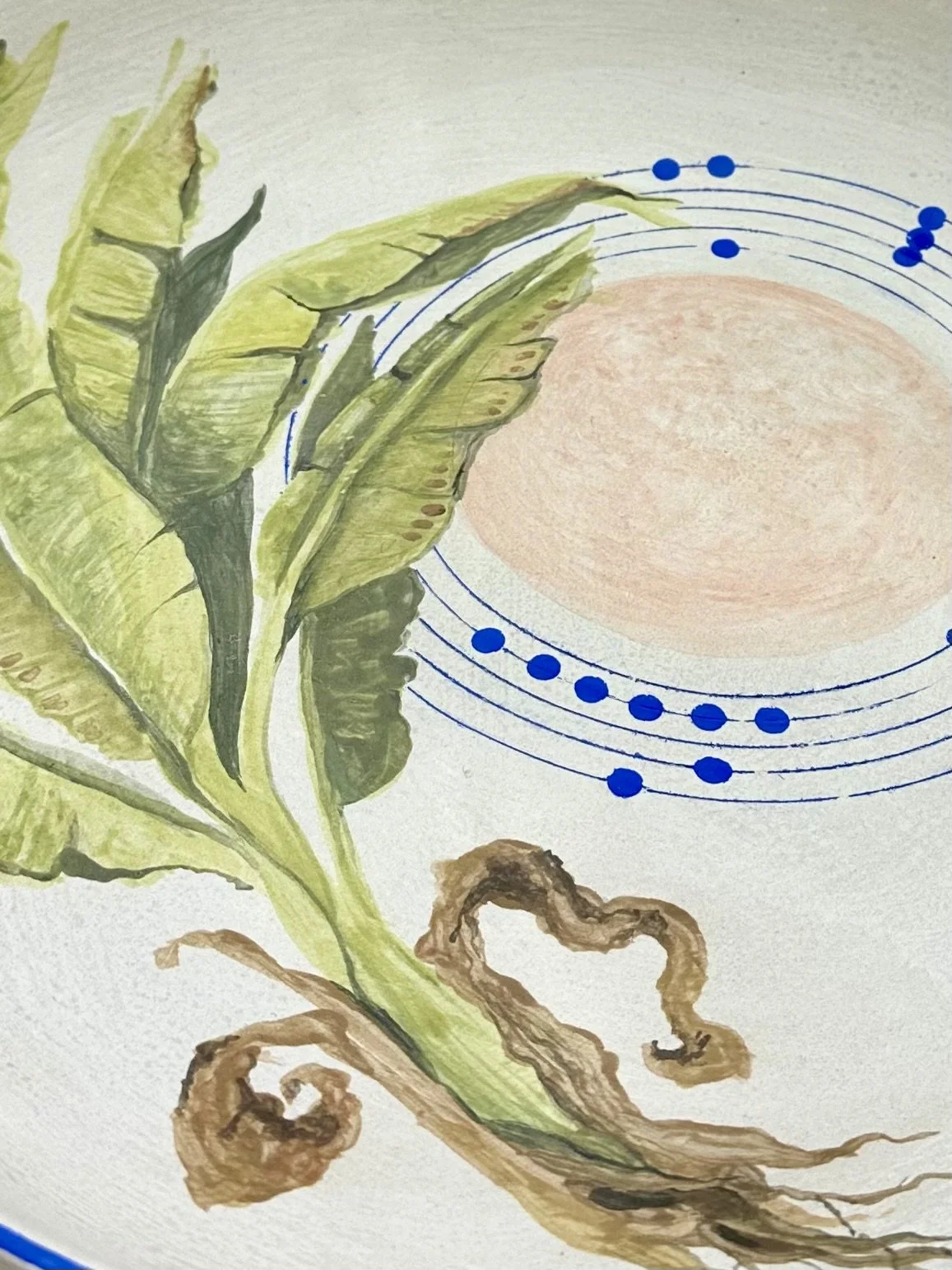
Musae refers both to Musa and to muse. In Latin, Musae is the plural form of “muse.”
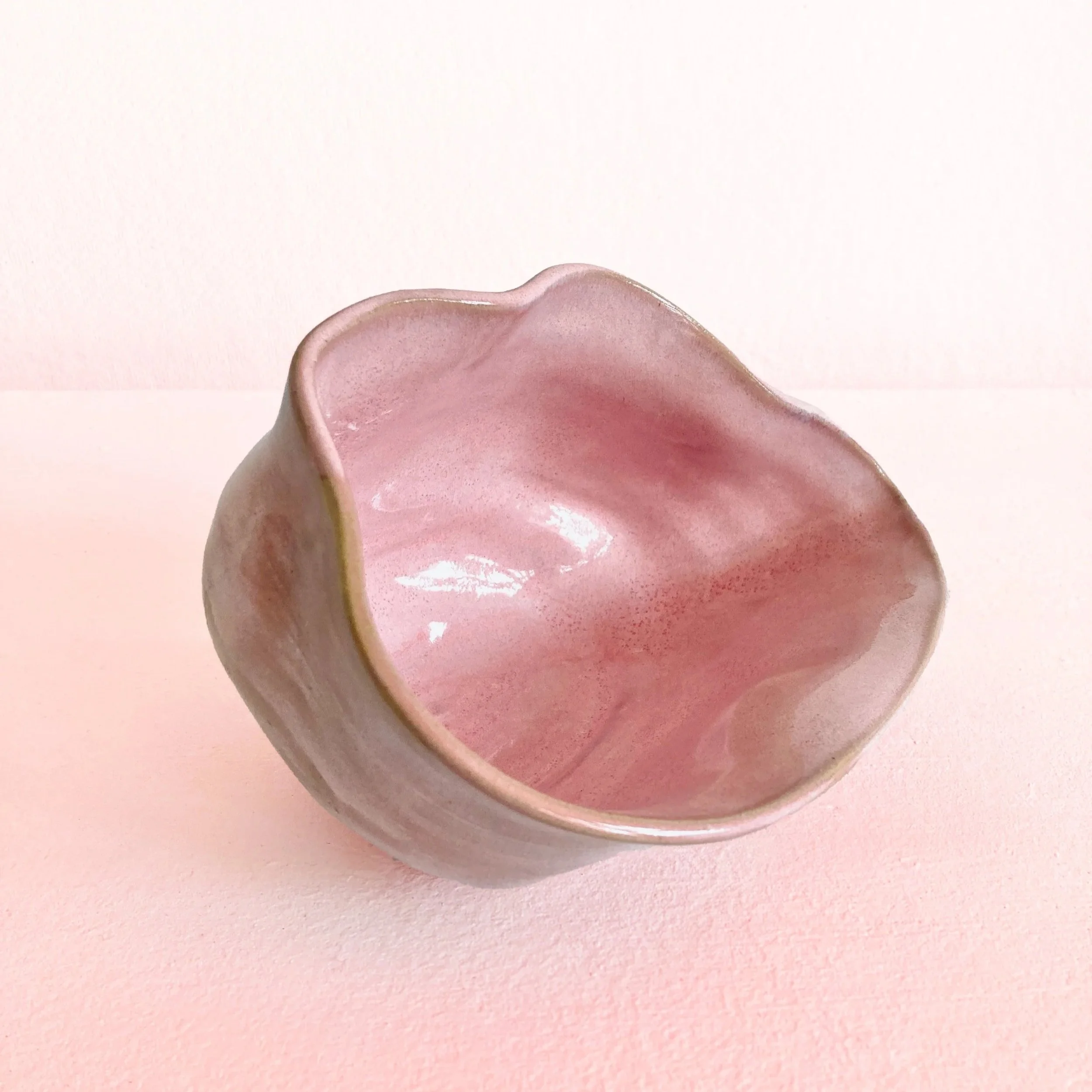
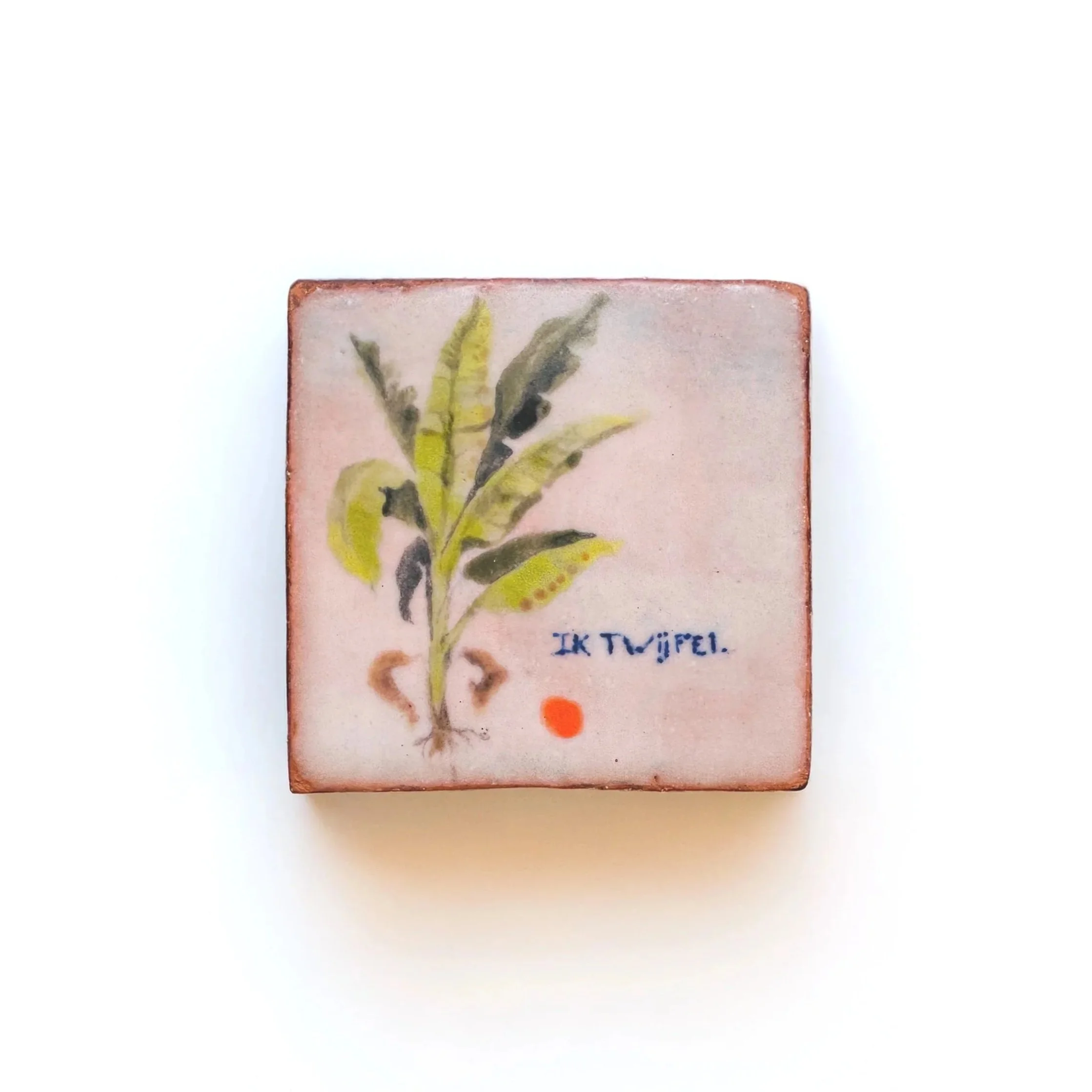
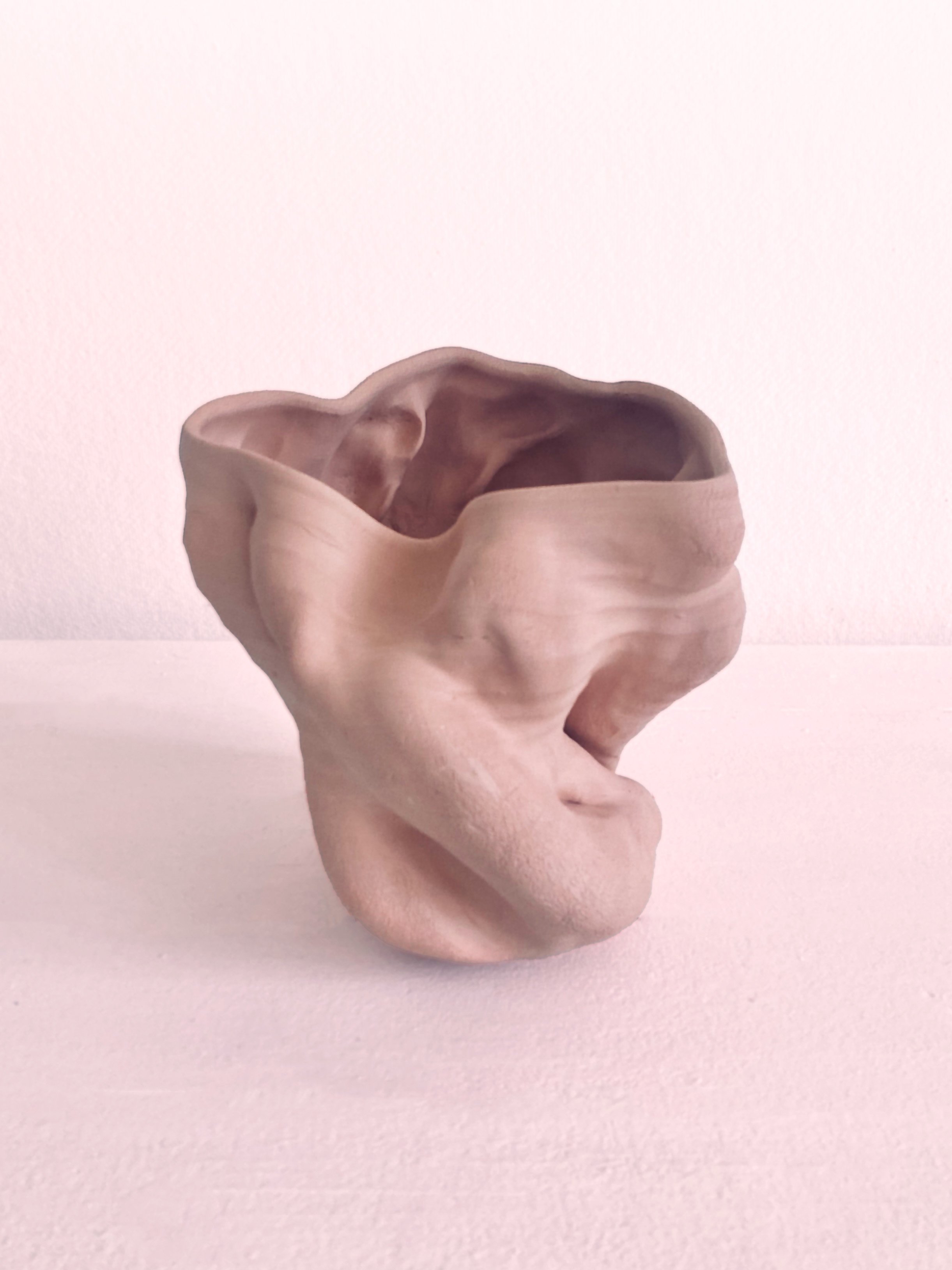
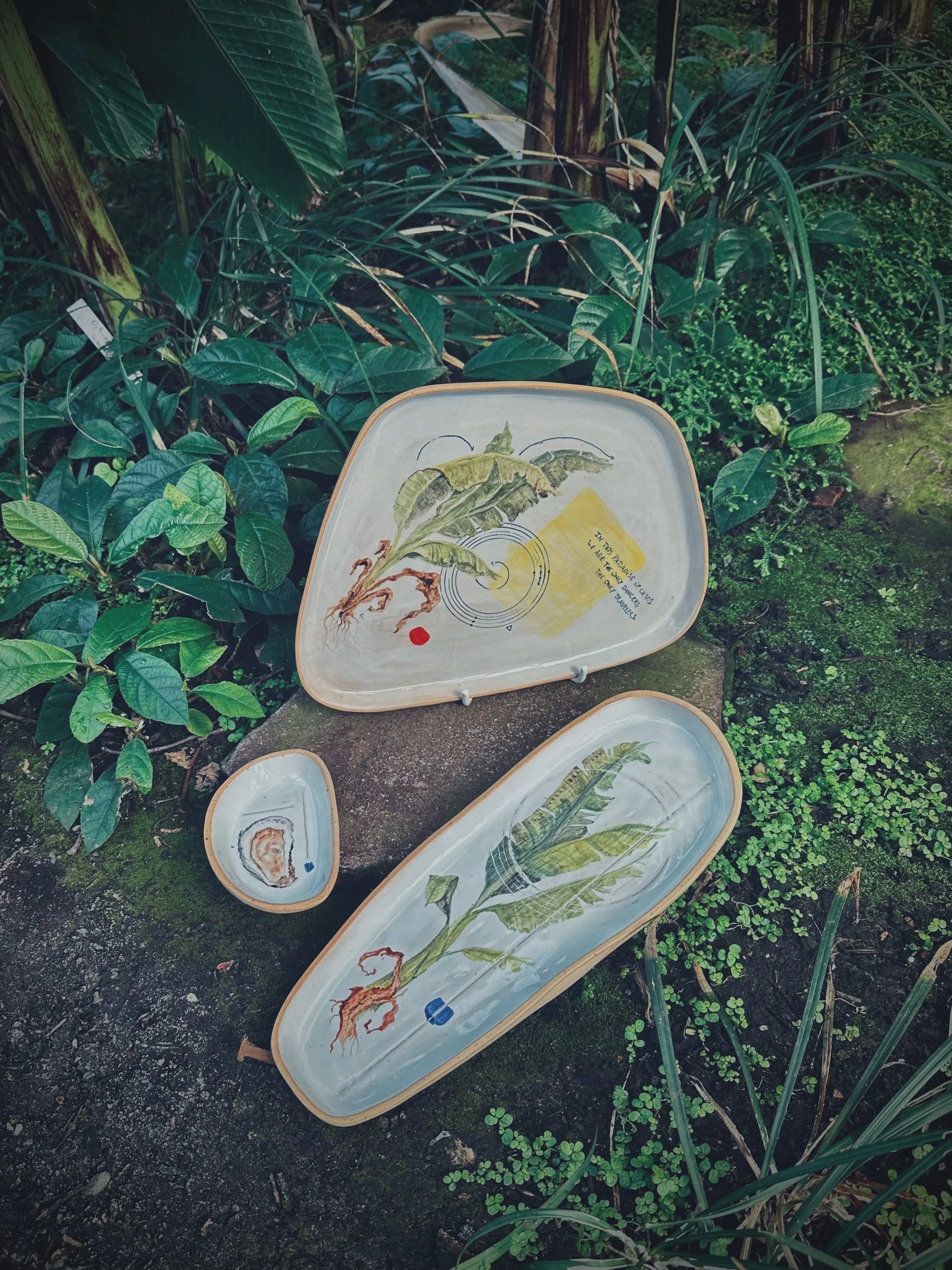
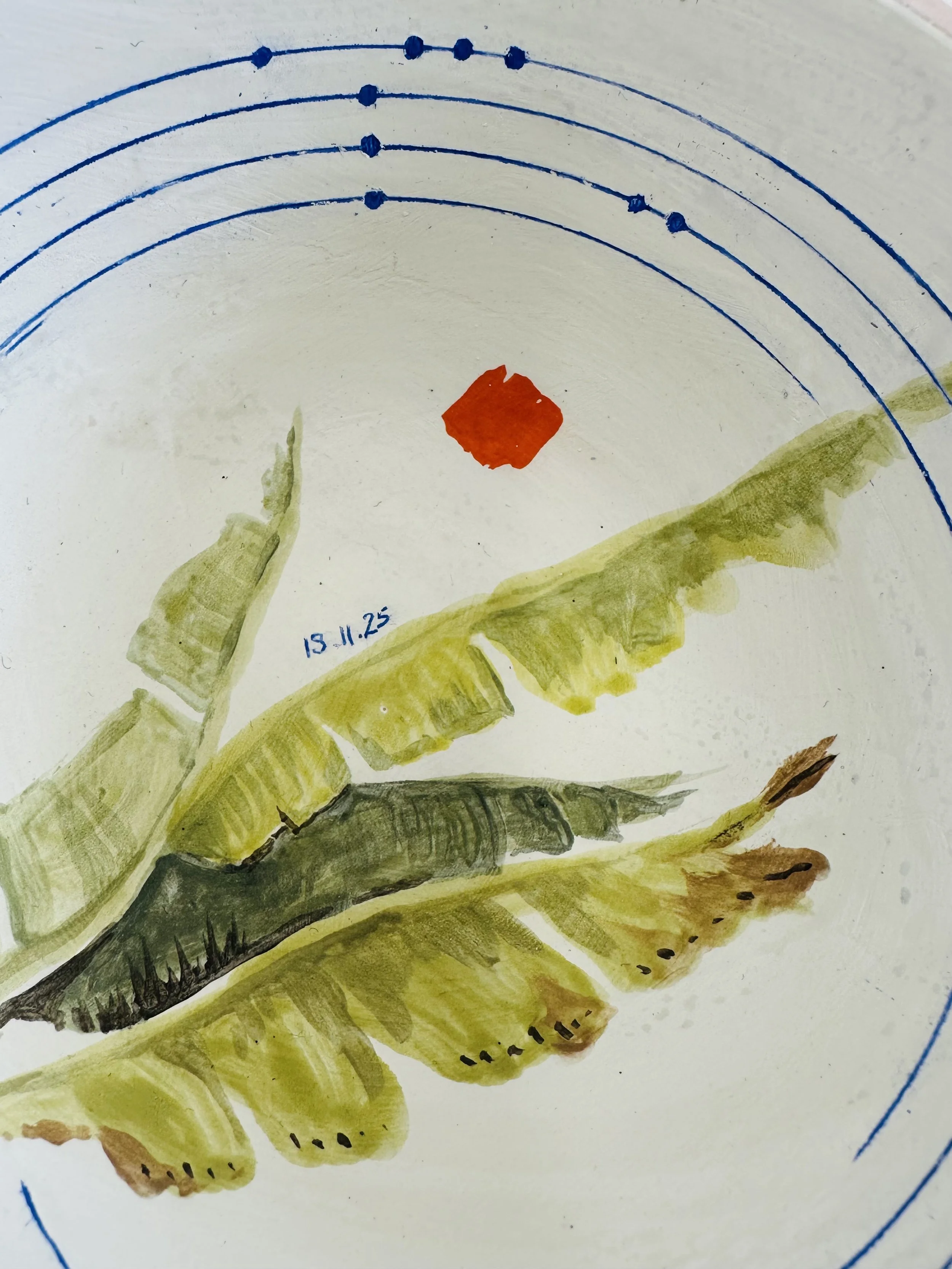
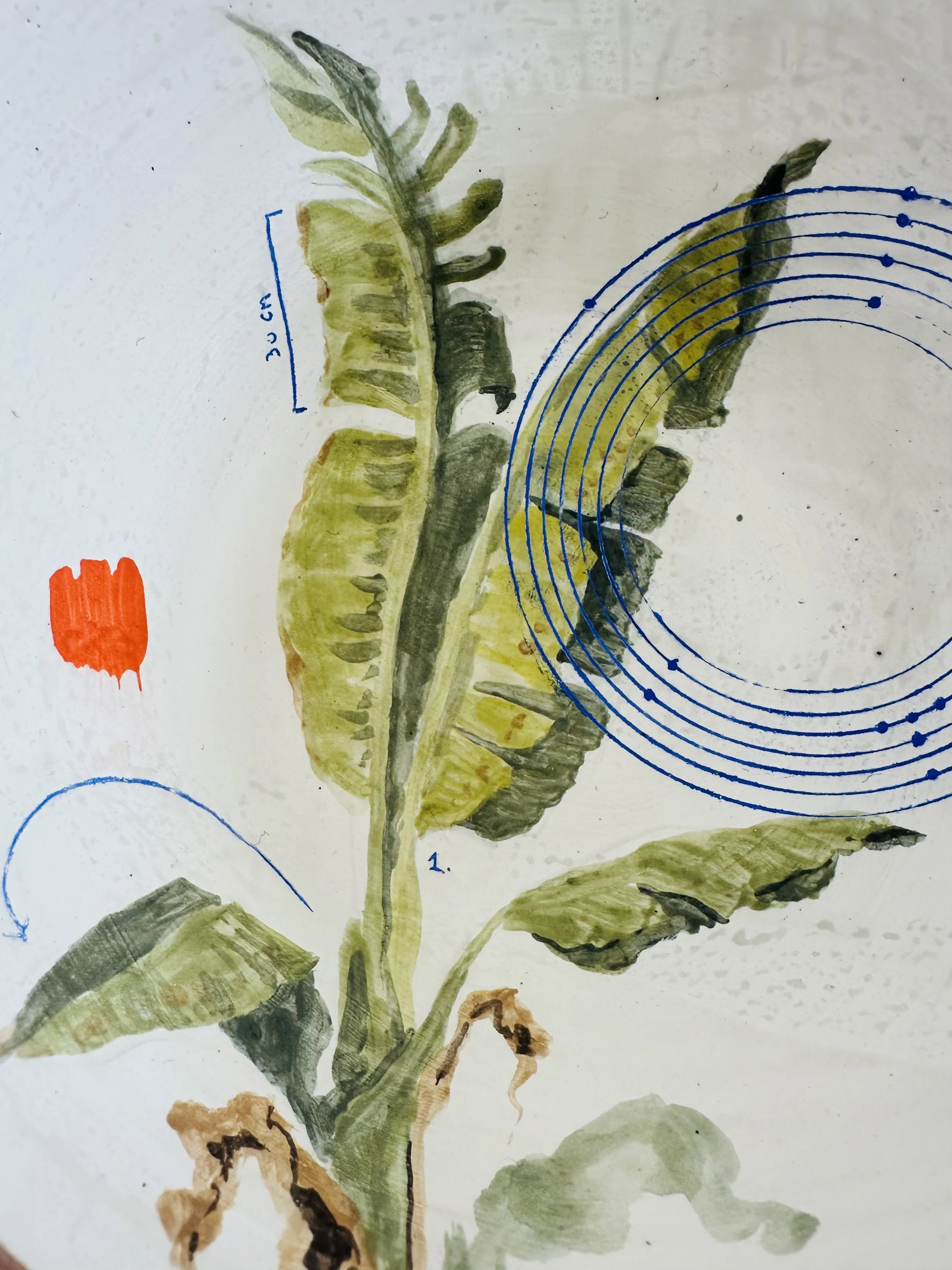
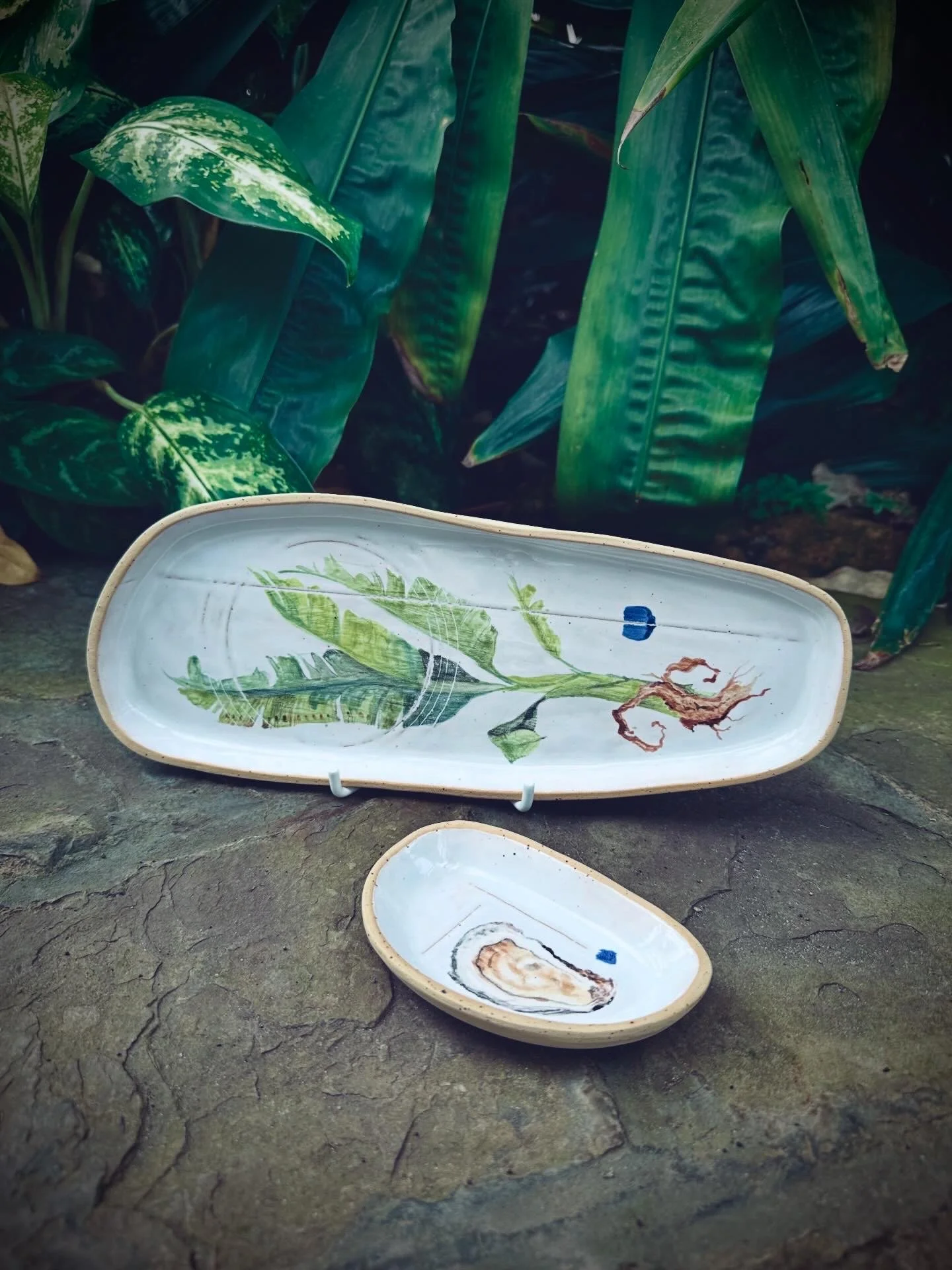
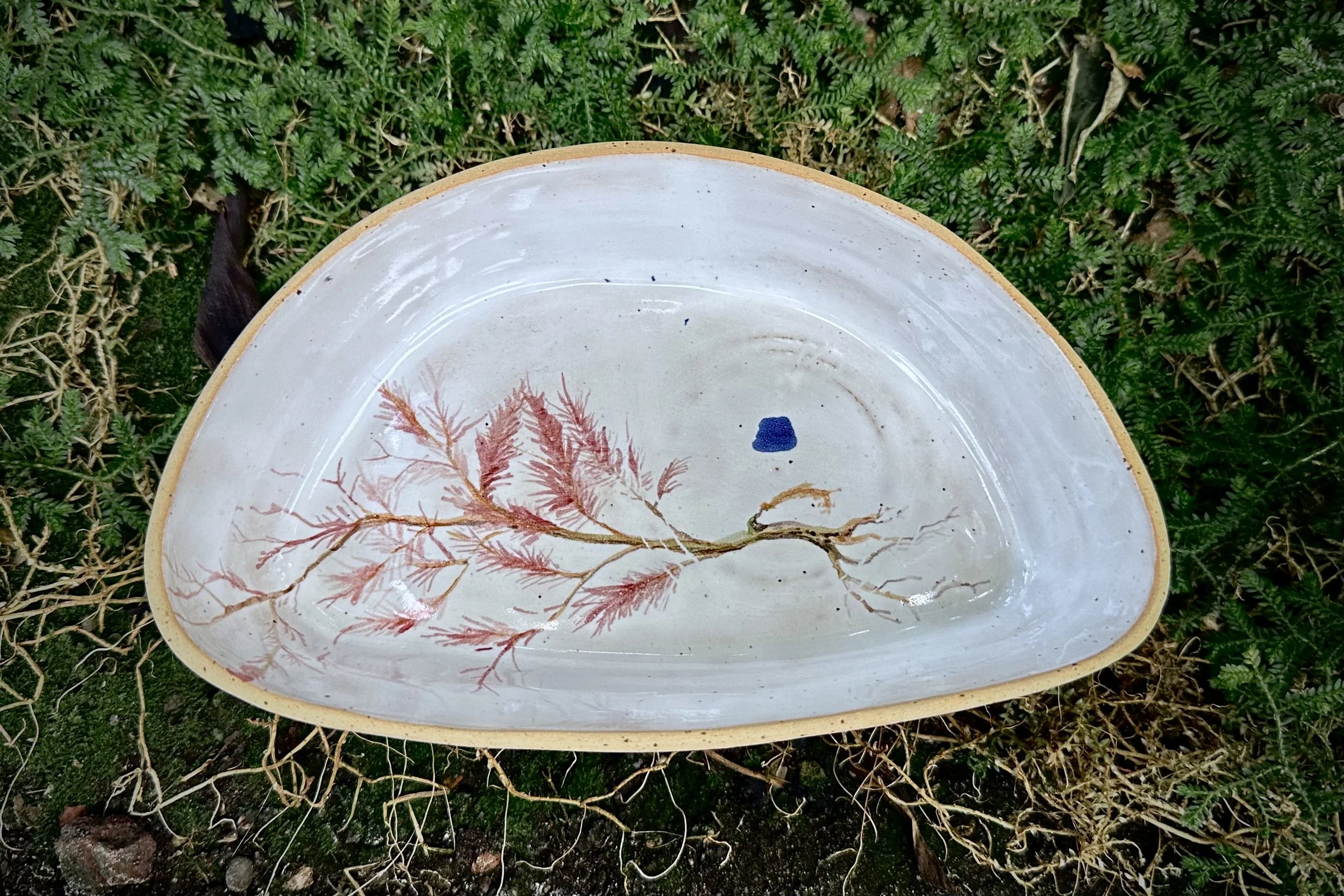
Botanical motifs play a central role in Schneider’s ceramic work, with the banana plant (Musa) returning as a symbol of repetition, slowness, and cyclical time. Through ceramics, botanical drawing, and notation, she explores a reconciliation with femininity within an art world historically shaped by male perspectives. By working with materials and visual languages traditionally associated with decoration, observation, and care, Schneider reclaims forms of knowledge often practiced by women as silent researchers and collectors.
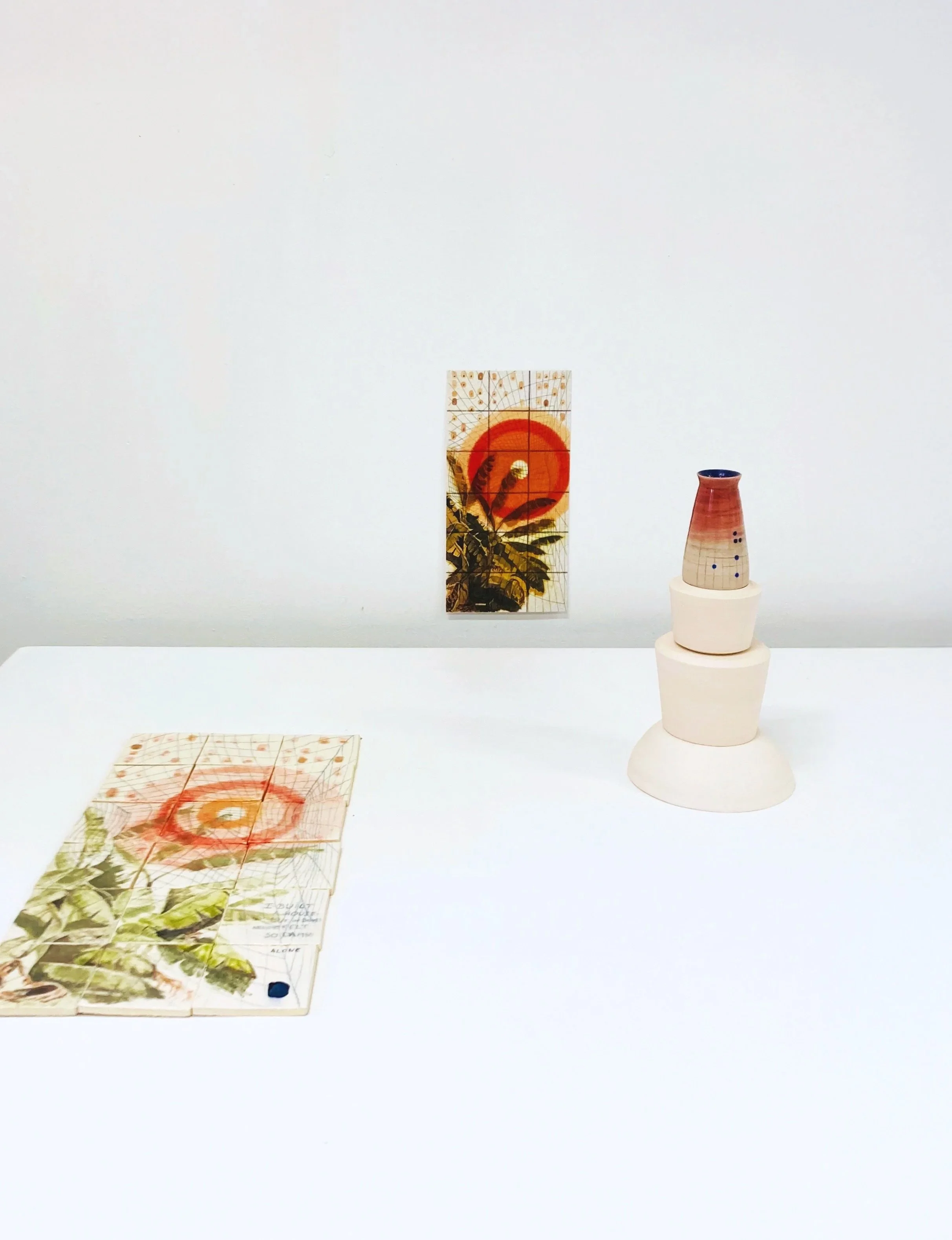
In this paradise of decay - We are the sole explorers - Here there is no voice in the night that tells us it can’t be right - No one to dissuade us from seeing what we see - No one to persuade us to look away break free - In this paradise of chaos - We are the only travelers - Here we can imagine - That we are time - We are this space - this trace between us - Here we are the only settlers - We are remembrance resonating - We are the last resort - In this paradise of devotion - We are the only dancers - Dancing on a mountain - collapsing in slow motion ***
*
In this paradise of decay - We are the sole explorers - Here there is no voice in the night that tells us it can’t be right - No one to dissuade us from seeing what we see - No one to persuade us to look away break free - In this paradise of chaos - We are the only travelers - Here we can imagine - That we are time - We are this space - this trace between us - Here we are the only settlers - We are remembrance resonating - We are the last resort - In this paradise of devotion - We are the only dancers - Dancing on a mountain - collapsing in slow motion *** *